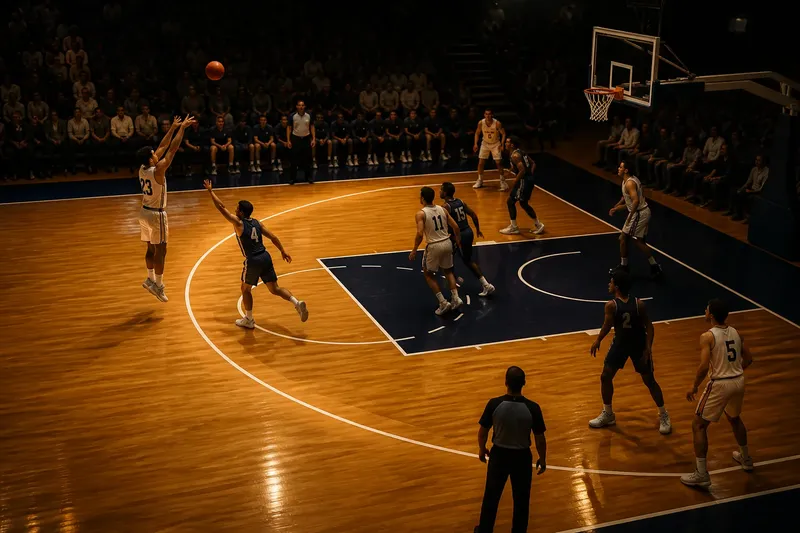
Why Some Sports Use Halves and Others Use Quarters
Why sports use halves or quarters shapes when teams regroup, coaches adjust and officials reset, helping you read a game clock with more context.
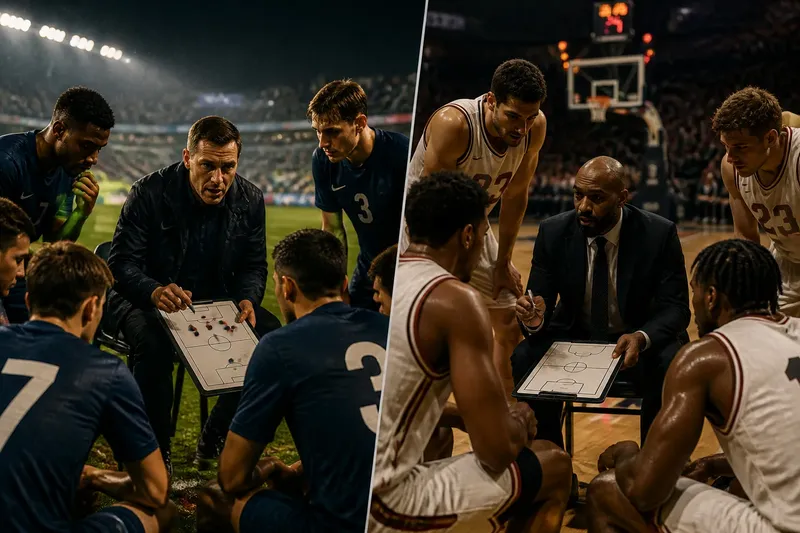
Why do some sports use halves while others use quarters? Watch a soccer match reach halftime, then switch to basketball, where play is divided into quarters. The breaks arrive at different points, and that changes when teams can regroup, coaches can adjust, and spectators can take stock.
The reason is not simply that one sport has a different clock. A format reflects the kind of flow its rules are designed to preserve and the moments when a pause can be useful.
Each format gives breaks a different job
Before comparing halves with quarters, ask what the scheduled breaks are meant to do. They can offer recovery time, create a regular point for tactical instruction, give officials room for administration, or divide the match into easier-to-follow segments.
More frequent breaks create more scheduled chances to regroup, but they interrupt play more often. Fewer breaks can preserve longer stretches of action, while leaving teams with fewer formal moments to reconsider their approach. The total playing time alone does not tell you how either format will feel.
Watch when a team can pause and reset; that rhythm is part of the sport’s design.
Halves make halftime the main reset
Soccer is a familiar example of a sport organized around two halves and a substantial interval between them. That structure gives each half a sustained shape, with halftime serving as the main scheduled opportunity to rest, discuss tactics, and make adjustments.
Imagine a soccer team struggling to play through an opponent’s crowded midfield. At halftime, its coach asks the players to use wider passing lanes and send a forward toward the sideline. After play resumes, the observable change to look for is more attacks developing along the flanks rather than through the center.
The tradeoff is that the team has fewer scheduled boundaries for formal instruction during the match. A tactical problem that becomes obvious early in a half may need to be addressed through permitted sideline communication or substitutions, rather than waiting for another major interval.
Halves suit a format that gives priority to sustained play and one central pause for a larger adjustment.
Quarters create more scheduled checkpoints
Basketball divides play into four quarters, with breaks between them and a longer halftime interval. Those boundaries give teams recurring chances to regroup, discuss what is happening, and manage substitutions under the sport’s rules.
Suppose a basketball team keeps losing the ball against a full-court press. At a quarter break, the coach can ask a guard to bring the ball up the sideline while a teammate moves to provide a nearby passing option. After the restart, the observable result to watch for is whether the team finds that outlet more often and advances the ball with less pressure.
More checkpoints also mean more interruptions. A quarter boundary can arrive while a team is building momentum, and the regular breaks may encourage players and viewers to think in shorter stretches, even though the result depends on the whole game.
Quarters fit a format where regular opportunities to regroup are part of the intended rhythm.
How do breaks change coaching and substitutions?
The timing of a break affects when a coach can deliver a longer explanation, but it does not determine every kind of communication. Rules differ: coaches may be allowed to speak from the sideline, call timeouts, or make substitutions at specific stoppages. Check the sport’s rules rather than assuming every interval has the same purpose.
In soccer, substitutions are governed by the competition’s rules and can occur at designated stoppages; halftime is a natural point to make a change. In basketball, quarter breaks offer another convenient moment to review lineups, but substitutions can also happen during permitted stoppages. A break creates an opportunity, not an automatic roster change.
Officials may also use intervals for routine administration, while spectators get a clear moment to check the score and consider how the match is unfolding. The exact duties and procedures depend on the sport and competition.
What should you watch when a break arrives?
Does the clock stop at the period boundary?
A period division and a stopped clock are not the same thing. Notice whether the clock runs continuously, stops for particular events, or pauses at the end of a period; the rulebook explains what the displayed time represents.
Can coaches give instructions during play?
Some sports permit sideline instruction, while others limit where coaches may stand or when they can address players. Watch when players gather around a coach, then check the competition’s rules to understand what is allowed.
When are substitutions permitted?
A break can be a convenient time for a change, but substitution rules may allow or restrict changes at other stoppages. Follow who enters and leaves the game, and note whether the exchange happens at a period boundary or during play that has already stopped.
Does the team change its approach after the break?
Compare the opening action after the restart with the sequence just before the interval. A team might change its formation, passing route, or defensive pressure, while its opponent may respond with a different plan.
Why do sports keep different period formats?
Sports balance continuity against recovery, coaching access, substitutions, officiating needs, and the viewing experience. A game built around extended passages may favor fewer scheduled interruptions. One with regular lineup changes or tactical adjustments may have reasons to use more period boundaries.
Tradition also matters. Players, officials, and spectators learn to expect a particular rhythm, so changing the format can affect coaching routines and how people read momentum, not just the placement of rest breaks.
Terms such as “period” and “quarter” do not explain everything about a clock. A division may end while play is underway or after a stoppage, and rules for timeouts or other clock interruptions vary. The competition’s rulebook is the authority on those details.
When you watch a game, notice what happens just before and after each break. A substitution, a new passing route, or a change in defensive pressure can show how the format creates a chance to reset—and what the sport chooses to keep in motion.